
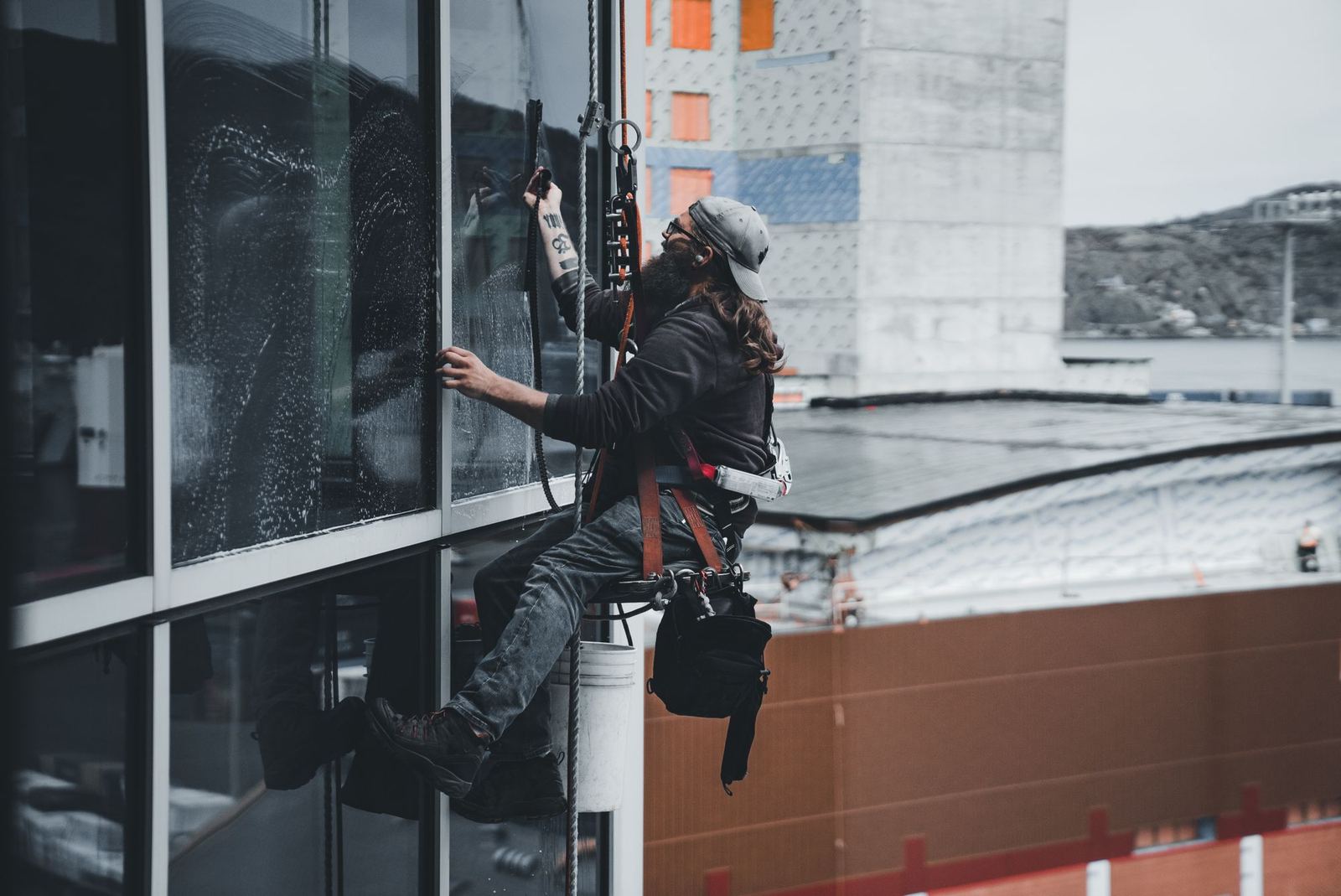
Working at Heights
Fall prevention, harness use and safe work at height procedures.
Falls are the leading cause of death in construction. This course covers risk assessment, harness inspection, anchor points and rescue plans.
Why this training matters
On most sites the fall protection equipment already exists. Harnesses are in the store, lanyards are issued, anchor points are welded on. What is usually missing is the routine around them: who inspects the harness and against what, which anchor point is rated for a fall arrest load rather than just looking solid, and what happens in the twenty minutes after somebody actually falls.
That last point is the one people underestimate. A worker hanging in a harness is not safe, they are on a clock. Suspension trauma can become life threatening well before an outside rescue team can arrive, be briefed and get to height. A rescue plan that amounts to phoning for help is not a rescue plan.
The other quiet failure is equipment that should have been condemned. A lanyard with a deployed shock absorber, webbing with heat glazing, a snap hook with a worn gate. Any of those can pass a glance and fail a fall. Delegates leave this course able to take equipment out of service and say exactly why.
What you will learn
- Hazards and legislation
- Risk assessment and the fall protection plan
- Harness inspection and fitting
- Anchor points and lifelines
- Ladder and scaffolding safety
- Rescue procedure and suspension trauma
- Practical assessment at height
The legal requirement
Work at height on construction sites is governed by regulation 10 of the Construction Regulations, 2014, headed fall protection. It requires the contractor to designate a competent person to prepare a fall protection plan wherever people work in a fall risk position.
The regulation is specific about what that plan has to contain. It requires a risk assessment of all work carried out from a fall risk position, with the procedures and methods used to address every risk identified for each location. It requires the process for evaluating employees' medical fitness to work at a fall risk position, and the records of it. It requires a programme for the training of employees working from a fall risk position, and the records of that training. It requires the procedure for inspection, testing and maintenance of all fall protection equipment. And it requires a rescue plan setting out the procedure, the personnel and the equipment needed to rescue somebody who has fallen.
Training is therefore not an optional extra bolted onto the plan. It is one of the components the plan is legally required to contain, and so are the records proving it happened. The rescue plan requirement is also the reason this course includes a rescue exercise rather than treating rescue as a discussion topic.
The contractor must implement the plan, amend it when circumstances change, and take steps to ensure people keep adhering to it. Training the workforce is what makes that last duty achievable.
Sources
- Construction Regulations, 2014, Department of Employment and Labour
- Occupational Health and Safety Act 85 of 1993, Department of Employment and Labour
Legislation is summarised for orientation and is not legal advice. Always check the current text of the Act and its regulations, or take advice.
Practical assessment
Delegates inspect and condemn equipment, fit a harness correctly without prompting, select and use anchor points, work at height under supervision, and take part in a rescue exercise. Assessment is by observation against each of those tasks.
Prerequisites
Delegates must be medically fit to work at height. Regulation 10 requires your fall protection plan to set out how medical fitness is evaluated and recorded, so we assume that process is already in place before the intake.
What is included
- Harnesses and helmets
- Training manual
- Practical assessment
- Certificate
Certification
Delegates who complete the programme and are found competent receive the IMJ and working at heights certificate, valid for 2 years. Attendance registers and assessment records are handed over to your health and safety department for the training file.
Refresher and re-certification intakes are available before a certificate lapses. Tell us the expiry dates and we will schedule around them.
Working at Heights questions
The Construction Regulations talk about a fall risk position rather than a single number, and two metres is the threshold most commonly applied in practice. The honest answer is that it is risk based: a fall of less than two metres onto reinforcing steel is a fall risk position by any sensible reading.
No, and be careful of anyone who says it does. The plan must be prepared by a competent person your company designates, and it has to be specific to your site. This course delivers the training component the plan is required to contain, and it equips your designated person to write a better one, but the plan itself stays your responsibility.
We bring harnesses and helmets for the practical. Where you have your own equipment we prefer to assess delegates on it, because inspecting and fitting the kit they will actually wear is worth more than doing it on ours.
Yes. Delegates run a rescue exercise as part of the practical assessment, and suspension trauma is covered in the theory. Regulation 10 requires a rescue plan, and a plan nobody has practised tends not to survive the first real incident.
Every two years, and sooner if the work changes, if new equipment is introduced or if an incident or near miss suggests the training is not holding.
Book working at heights training
Send us the courses, the number of delegates and where you are. We come back with a written quote within one business day.