First aid is one of the few areas where South African law puts an actual number against the requirement, which makes it unusually easy to check whether you comply. Most operations find they meet the number on paper and fail it in practice.
What the regulation says
Regulation 3 of the General Safety Regulations, made under the Occupational Health and Safety Act, sets two thresholds.
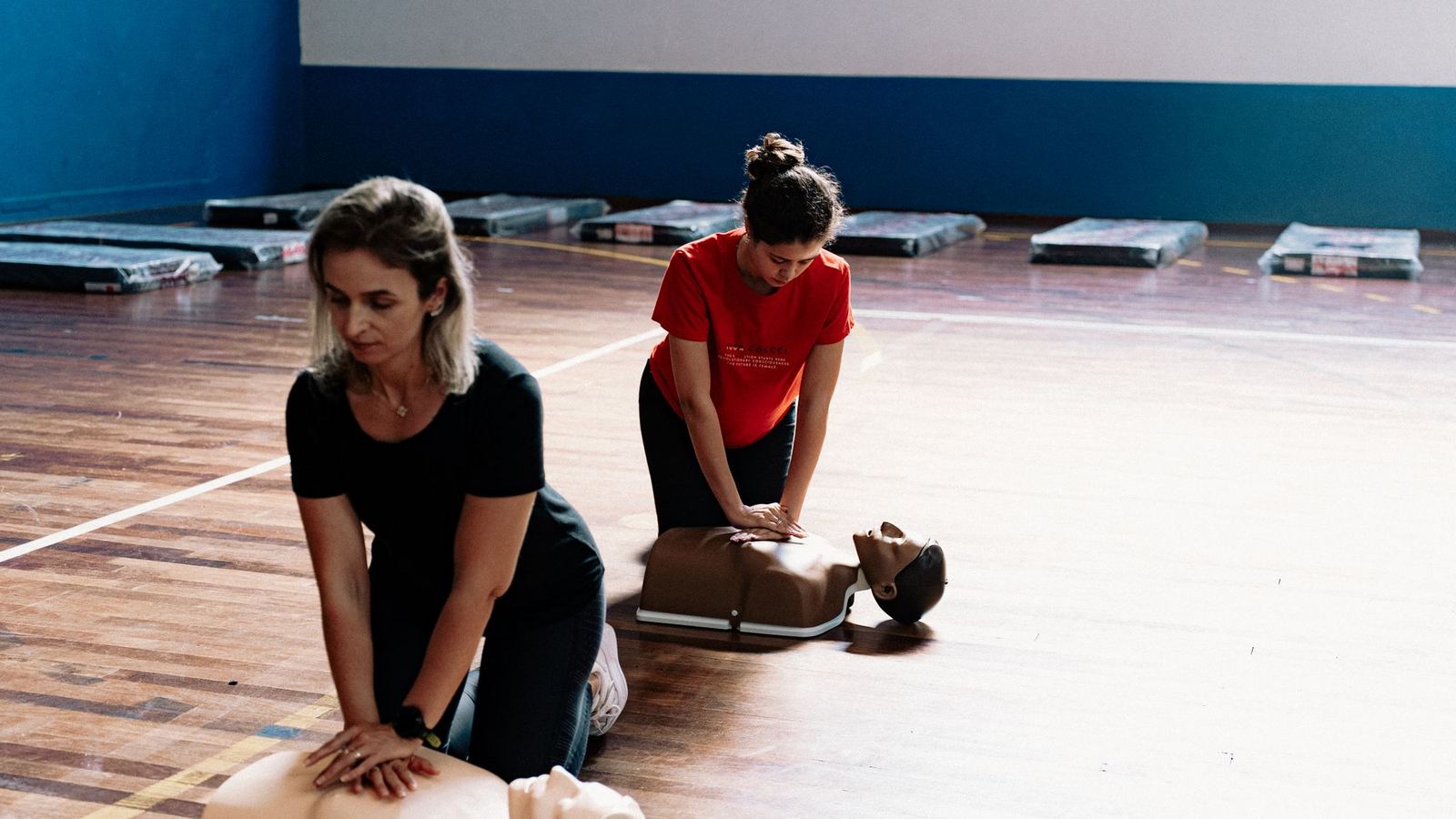
Where more than five employees are employed at a workplace, the employer must provide a first aid box, or boxes, at or near the workplace, available and accessible for treating injured people. Where more than ten employees are employed, the employer must ensure that for every group of up to 50 employees, at least one person is readily available during normal working hours who holds a valid certificate of competency in first aid. In shops and offices that group size rises to 100.
Two words in that do the heavy lifting. "Valid" means current, from a body recognised for the purpose. "Readily available" means available where and when the injury happens.
Why the paper number is usually wrong
A site with 90 employees needs two first aiders to satisfy the ratio. If both work day shift in the same building, the night shift has none and the ratio has been met on a spreadsheet only.
The same failure appears with leave, resignations and expiries. One first aider on annual leave takes a compliant site out of compliance for two weeks, and nobody notices because the certificate is still in the file.
Count your cover by shift and by area, not by headcount. Then add margin, because the legal number is a minimum and not a target.
Risk should push you above the minimum
The ratio does not distinguish between an office and a plant, but the injuries do. Crush injuries, serious bleeding, burns and falls need somebody competent within reach in the first few minutes, and on a mine or a construction site the ambulance is a great deal further away than it is in town.
That is what the higher levels are for. Level 1 covers the legal minimum. Level 2 suits sites with higher injury risk or longer distances to help. Level 3 is for teams who may have to manage serious trauma, administer oxygen or triage more than one casualty before help arrives.
Sources
- General Safety Regulations, Department of Employment and Labour
- Occupational Health and Safety Act 85 of 1993, Department of Employment and Labour
Legislation is summarised for orientation and is not legal advice. Always check the current text of the Act and its regulations, or take advice.
Written by
Ian van Eeden
Director, IMJ OHS Compliance Training (Pty) Ltd
Ian van Eeden is a director of IMJ OHS Compliance Training and the person behind the training content published on this site. He works with mining and heavy industry clients across South Africa, and IMJ delivers its programmes at the client operation rather than from a classroom.